Foldable phones have been “the next big thing” for half a decade now. Every year, the hardware gets a little better, the creases get a little less visible, and the prices come down — a little. So the fair question heading into late 2026 is whether foldables have finally crossed from enthusiast curiosity into genuine mainstream relevance, or whether they remain a niche premium category that most buyers can safely ignore.
How the Hardware Has Matured
The progress on the hardware side is real and worth acknowledging. Book-style foldables — phones that open into a small tablet — now have displays that are brighter, more durable, and show less of a crease than the early generations. Hinge mechanisms have improved, with several manufacturers claiming ratings of hundreds of thousands of folds. Internal components have gotten thinner, allowing foldables that aren’t dramatically chunkier than a conventional flagship when closed.
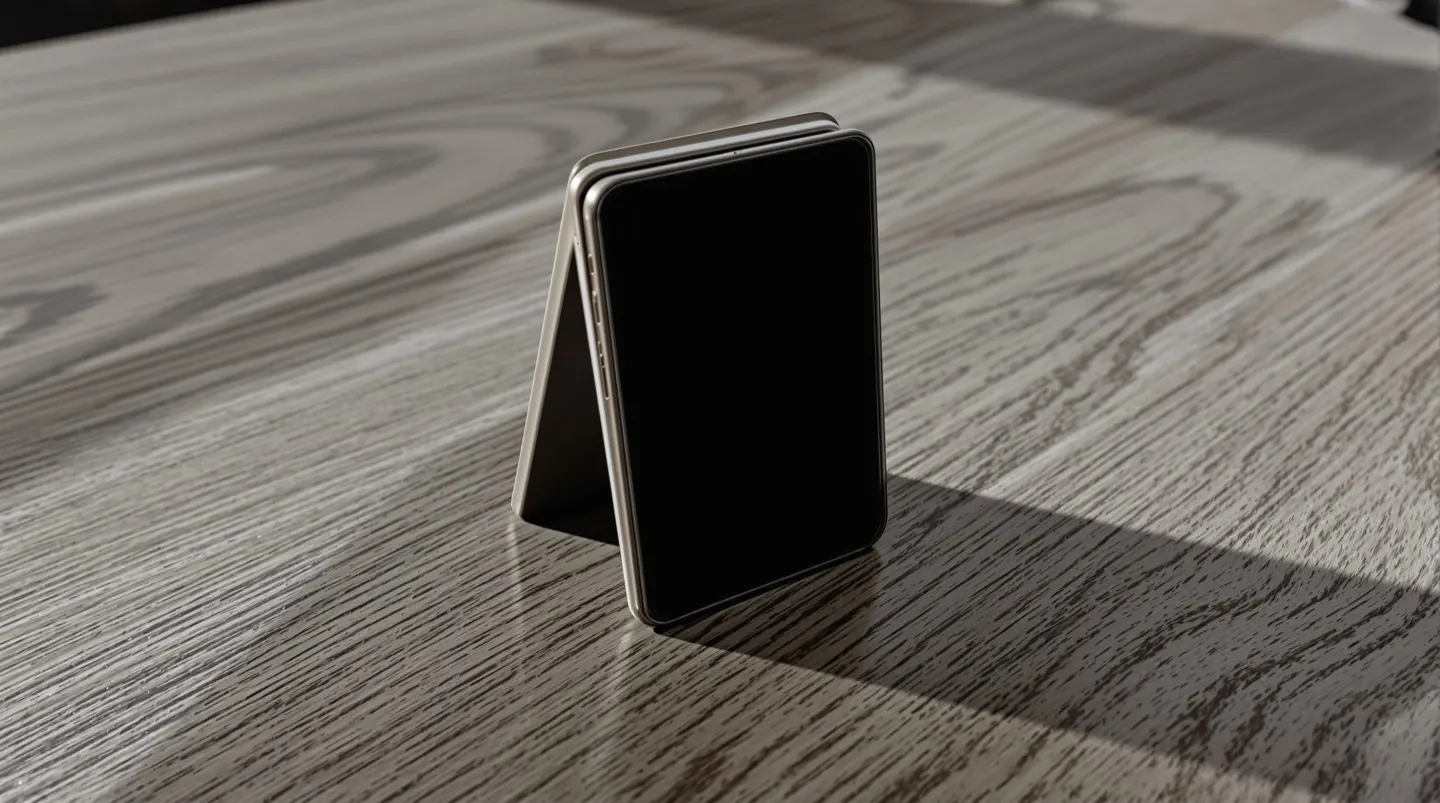
Flip-style foldables, which collapse into a compact square, have also found an audience. They appeal to people who want a phone that fits easily into a small pocket or purse and who value the novelty of a cover screen for quick tasks. Battery life on flips remains the weak point, since a small folded body limits how much battery fits inside.
On the software side, Android has gotten steadily better at taking advantage of larger inner displays. Multi-window multitasking, app continuity across the fold, and stylus support on some models have made foldables more useful as productivity devices. Still, app optimization lags — not every app takes full advantage of the tablet-sized screen, and some still letterbox or stretch awkwardly.
What’s Still Holding Foldables Back
For all the hardware progress, three obstacles keep foldables out of most buyers’ hands:
- Price. Even with discounts, foldables generally cost more than comparable conventional flagships. The premium is smaller than it used to be, but it’s still enough to give most buyers pause.
- Durability concerns. Foldables have improved, but a folding screen is inherently more delicate than a rigid one. Repair costs remain high, and the long-term durability of the hinge and display over years of heavy use is still a question mark for cautious buyers.
- Practical trade-offs. Foldables are often heavier and thicker than a standard phone when closed. For people who use their phone one-handed or carry it in a tight pocket, that bulk matters day to day.
There’s also a marketing problem. For most consumers, the value proposition of a foldable isn’t obvious. A conventional flagship already handles messaging, photography, gaming, and media well. The foldable’s pitch — a bigger screen that fits in your pocket — resonates with a specific kind of user, but it hasn’t yet produced a “must have” moment for the mass market.
What It Means for You
Foldables in 2026 are genuinely good devices, and they make sense for a real (if still narrow) audience. They’re worth considering if you do a lot of reading, document editing, or media consumption on your phone and you value the extra screen real estate. They’re also appealing if you travel and want a tablet-like experience without carrying a second device.
For most buyers, though, the honest answer is that a conventional flagship remains the safer choice. You’ll pay less, get better battery life and durability, and avoid the ongoing uncertainty around folding-screen longevity. The category is closer to mainstream than it’s ever been — but “closer” isn’t the same as “there.” If you’re curious and budget allows, a foldable can be a great device. If you just want a reliable phone, the traditional slab still wins on value.