Apple’s iPhone 17 Pro arrived with the company’s familiar pitch: better cameras, more durable build, and deeper integration with on-device intelligence. The camera system is once again the headline feature. But a year into its shelf life, the more useful question isn’t what Apple advertised at launch — it’s how those changes actually hold up for everyday and enthusiast photographers.
A Refined Triple-Camera Setup
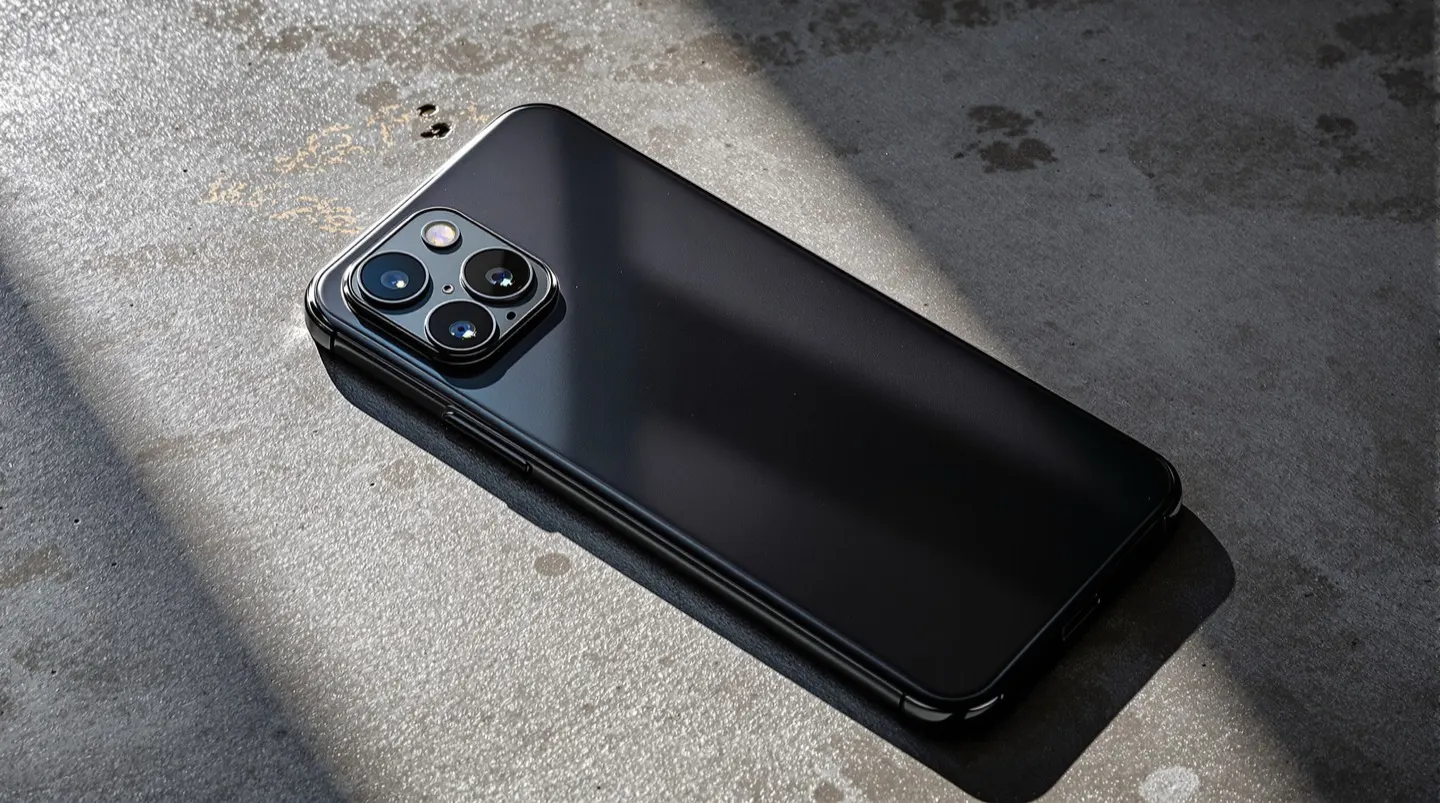
The Pro model keeps the three-lens rear array that has defined the line for several generations: a main wide camera, an ultrawide, and a telephoto. The most talked-about change at launch was the telephoto. After reserving its longest optical reach for the larger Pro Max in prior years, Apple reportedly brought a periscope-style telephoto to the smaller Pro as well, giving both Pro models a roughly comparable long-reach option.
The main camera continues to lean on a high-resolution sensor paired with sensor-shift optical image stabilization. In practice, that combination is aimed at cleaner low-light shots and more flexibility when cropping. The ultrawide rounds out the trio and is useful for architecture, landscapes, and tight indoor shots. Apple’s image pipeline — the software that turns sensor data into a finished photo — does a lot of the heavy lifting here, applying what Apple calls computational photography techniques to balance highlights, sharpen detail, and reduce noise.
None of these changes are revolutionary if you’re coming from a recent Pro model. The improvements are iterative: marginally better low-light handling, a bit more reach on the telephoto, and refinements to how the phone handles tricky mixed lighting. For anyone upgrading from a phone that’s two or three years older, though, the cumulative difference is more noticeable.
What It Means for Photography
For most people, the practical payoff shows up in a few scenarios:
- Telephoto reach. A longer optical zoom makes portraits, wildlife, and concert shots less dependent on digital cropping, which degrades quality.
- Night mode and low light. Larger sensors and smarter processing mean indoor and evening photos look cleaner with less effort.
- Video. The Pro line remains a strong choice for video creators, with support for high-frame-rate formats and tools aimed at grading and editing later.
Apple also continues to push what it calls Photonic Engine and Smart HDR, which attempt to preserve sky detail and shadow information in the same frame. The results are generally pleasing, though photographers who prefer a less processed look may still find Apple’s output a touch aggressive on contrast and sharpening.
It’s worth noting that the camera hardware, while capable, is only part of the story. Apple Intelligence features — the on-device software layer — now assist with photo search, cleanup tools, and memory generation. These additions don’t change how photos are captured, but they do change how you interact with your library afterward.
What It Means for You
If you already own an iPhone 16 Pro or 15 Pro, the camera improvements alone probably aren’t enough to justify an upgrade — the day-to-day results are close enough that most users won’t notice. The case for switching gets stronger if you’re coming from an older phone, if you shoot a lot of telephoto subjects, or if you record video regularly and want the latest toolset.
The honest framing is that the iPhone 17 Pro represents a solid, mature camera phone rather than a leap forward. Apple has largely run out of dramatic hardware surprises in this form factor and is instead refining the recipe. That makes it a safe, predictable choice — and a reminder that for most people, the best camera phone is the one that’s already in their pocket, used well.