Samsung’s Galaxy S Ultra line has settled into a predictable rhythm: each year brings a sharper display, a tweak to the camera array, a faster chip, and a renewed push into AI features. The S26 Ultra follows that pattern. For anyone trying to decide whether this year’s model is worth the jump, the more useful question is which changes are real and which are marketing polish.
What Actually Changed
The headline upgrades center on three areas. First, the display. Samsung’s panels were already among the best in the industry, and the S26 Ultra reportedly pushes brightness and efficiency further, which helps most in direct sunlight. Second, the processor. The latest generation chipset brings the usual claims of better performance and improved power management, though real-world gains tend to be modest outside of gaming and heavy multitasking. Third, the cameras. Samsung has continued to refine its long-zoom capabilities, and the S26 Ultra is said to offer improved telephoto performance — an area where the company has invested heavily for several generations.
The S Pen, a staple of the Ultra line, remains present, and Samsung’s software layer continues to fold in Galaxy AI features: live translation, summarization, photo editing, and search tools that run partly on-device. The build quality stays premium, with the boxy, flat-edged design language that distinguishes the Ultra from the smaller S26 models.
A few things are worth flagging as genuinely iterative rather than transformative:
- Battery and charging. Improvements here are incremental. Fast charging is supported, but Samsung has generally been conservative on charging speeds compared to some Chinese rivals.
- Design. The overall shape and feel are familiar. If you disliked the sharp corners of previous Ultras, this year’s model likely won’t change your mind.
- Software experience. One UI continues to be feature-rich and, depending on your taste, either delightfully customizable or slightly cluttered.
What Stayed the Same
Some of the Ultra’s defining traits carry over unchanged, and that’s not necessarily a criticism. The large, high-resolution display remains excellent for media and productivity. The camera system still leans on a high-megapixel main sensor with pixel-binning for everyday shots, paired with dedicated ultrawide and telephoto lenses. The price, predictably, sits firmly in premium-flagship territory.
Samsung’s approach to AI is also a continuation rather than a reset. The company has been weaving AI tools throughout its software for a couple of years now, and the S26 Ultra refines those rather than introducing a wholly new paradigm. If you’ve used a recent Galaxy device, much of this will feel familiar.
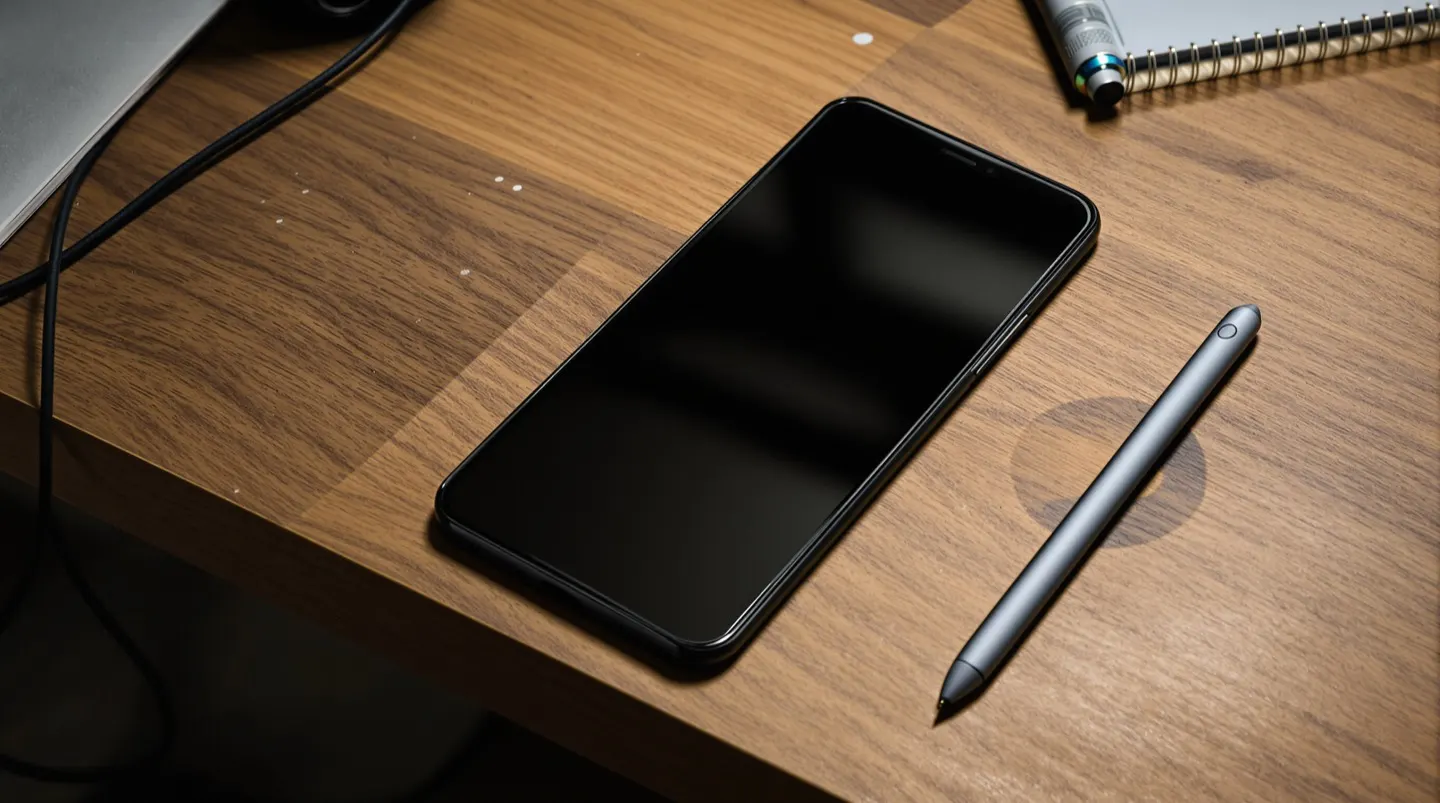
The S Pen continues to divide users. Some find it genuinely useful for note-taking, signing documents, precise photo editing, and quick sketches during meetings. Others charge the phone for two years and never remove the stylus from its slot. Nothing about the S26 Ultra dramatically shifts that calculation, and if you didn’t use the Pen on previous Galaxy devices, there’s little here that will change your habits.
What It Means for You
The S26 Ultra is easiest to recommend to two groups: people upgrading from a phone that’s three or more years old, who will feel a meaningful jump in screen quality, speed, and camera versatility; and power users who specifically want the largest screen, the longest zoom, and the S Pen in a single device.
If you’re carrying an S24 Ultra or S25 Ultra, the case for upgrading is thin. The day-to-day experience is close enough that most of the improvements will be invisible outside of side-by-side comparison. Samsung’s Ultra remains a top-tier Android phone, but the honest takeaway is that the smartphone market has matured — and the S26 Ultra is a polished evolution rather than a reason to abandon a perfectly good predecessor.