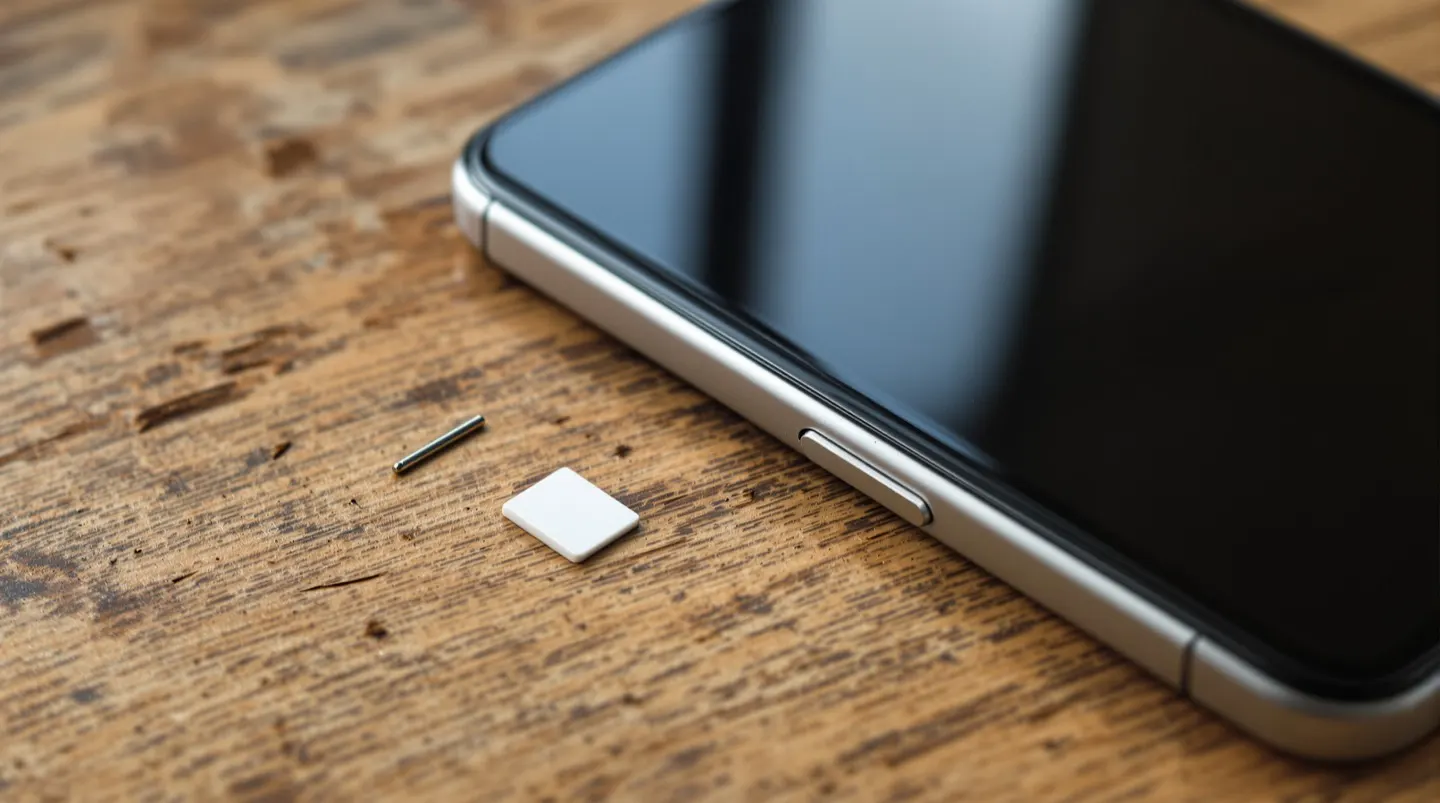
The physical SIM card had a remarkable run. For nearly three decades, a fingernail-sized chip was the thing that made a phone yours, and swapping it between devices was the universal fix for a dead handset. That era is ending. Apple removed the tray from US iPhones several years ago, Android makers have followed in selected markets, and carriers have rebuilt their signup flows around digital activation. For most people the transition is invisible. For travelers, dual-number users, and anyone who buys phones secondhand, it changes a few habits worth understanding before you’re standing in an airport with no signal.
What eSIM Actually Is
An eSIM is a small chip soldered into the phone that does the same job as the plastic card: it stores the credentials that identify you to a mobile network. The difference is how those credentials get there. Instead of a shop handing you a card, the carrier sends you a profile — usually via a QR code, a carrier app, or an automatic transfer during phone setup — and the phone downloads it over Wi-Fi or an existing connection.
That difference sounds administrative, and often it is. But a few consequences follow directly from it:
- A phone can hold several profiles at once. Most current handsets store somewhere between five and a dozen, with one or two active simultaneously. Switching between them is a settings toggle, not a paperclip.
- Activating a line no longer requires a store visit. You can buy service, scan a code, and be connected in a few minutes from anywhere with Wi-Fi.
- The credential is tied to the device, not the card. Moving to a new phone means transferring the profile, which is usually straightforward but is a step you can’t do with tweezers at the last minute.
Where It Genuinely Helps
Travel is the clearest win. The old routine — land, find a kiosk, argue about passport copies, hope the tiny SIM survives your pocket — is replaced by buying a local or regional data plan before you board, then activating it on arrival. Prices from travel-focused eSIM providers are often far below traditional roaming, and because your home number stays active on a second profile, you keep receiving calls and texts while using cheap local data.
Dual-line setups are the second win. Keeping a work number and a personal number on one phone used to require a dual-SIM model that was hard to find in some markets. With eSIM it’s a standard capability, and you can silence one line’s notifications on evenings and weekends without carrying a second device.
There’s a smaller, practical benefit too: nothing to lose. A SIM tray is a water-ingress point and a small piece of hardware that can fail. Removing it gives manufacturers a slightly sturdier chassis and one less thing to break.
Where People Still Get Caught Out
The friction hasn’t disappeared — it has moved. A few situations still cause trouble:
- A dead phone with no backup. If your only handset stops working and you can’t reach its settings, you can’t pull the profile out and drop it into a spare. Recovery goes through your carrier, which may take a call or an app login rather than thirty seconds of swapping.
- Selling or buying used. Sellers need to remove their profile before handing the device on; buyers should confirm it’s gone and that the phone isn’t carrier-locked. It’s an extra checklist item on both sides.
- Regional availability. Coverage is uneven. Major carriers in North America, Western Europe, and much of Asia support eSIM well; smaller regional operators and some prepaid brands still don’t, or charge for the privilege of a profile transfer.
- Transfers between operating systems. Moving a profile from an iPhone to an Android handset, or the reverse, is less automated than staying on one platform. It usually works, but expect a carrier app or a support conversation rather than a one-tap migration.
How to Prepare Before You Need It
A little preparation removes almost all of the risk. Before travelling, confirm your carrier supports eSIM and that your account is set up for it — that’s a five-minute check at home rather than a problem abroad. Keep your carrier’s app installed and your account login stored somewhere you can reach without your phone, such as a password manager you can open on a laptop. If you rely on a second line for work, know how to re-download that profile; carriers generally allow it, but the path differs between them.
For travel data specifically, buying the plan before departure and installing the profile while you still have reliable Wi-Fi is the single most useful habit. Activation usually can wait until you land, but the download shouldn’t.
What It Means for You
For most users, an eSIM-only phone is a non-event: setup transfers your line automatically, and you never think about it again. The people who should pay attention are frequent travelers, who stand to save real money and hassle, and anyone whose backup plan for a broken phone was “move the SIM to an old handset” — that plan needs updating.
The direction of travel is clear enough that it’s worth adapting rather than avoiding. Physical trays will linger in some markets and on some budget models for a few more years, but the industry has decided. Knowing how to move a profile, and having your carrier account reachable from something other than your phone, covers nearly every scenario where the change would otherwise bite.