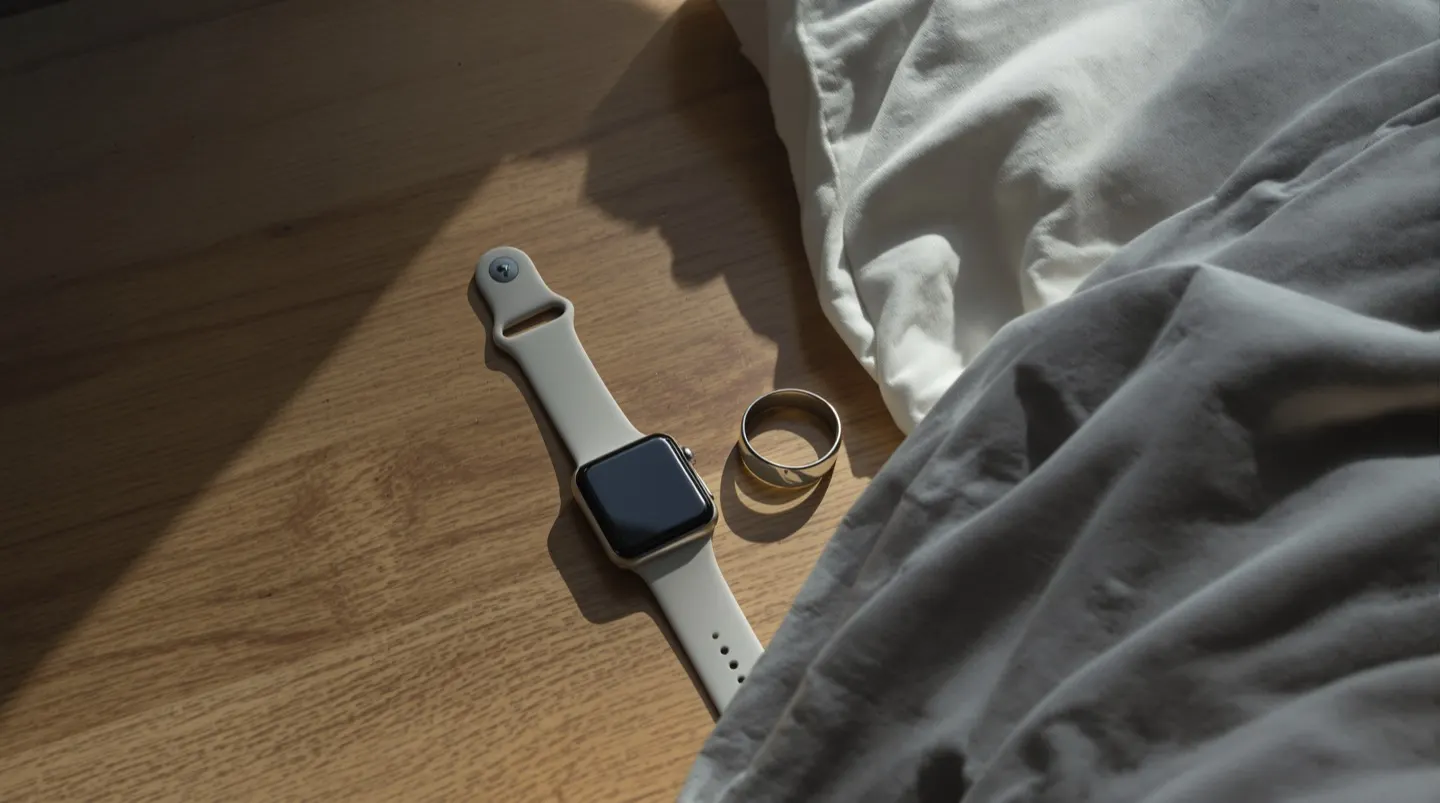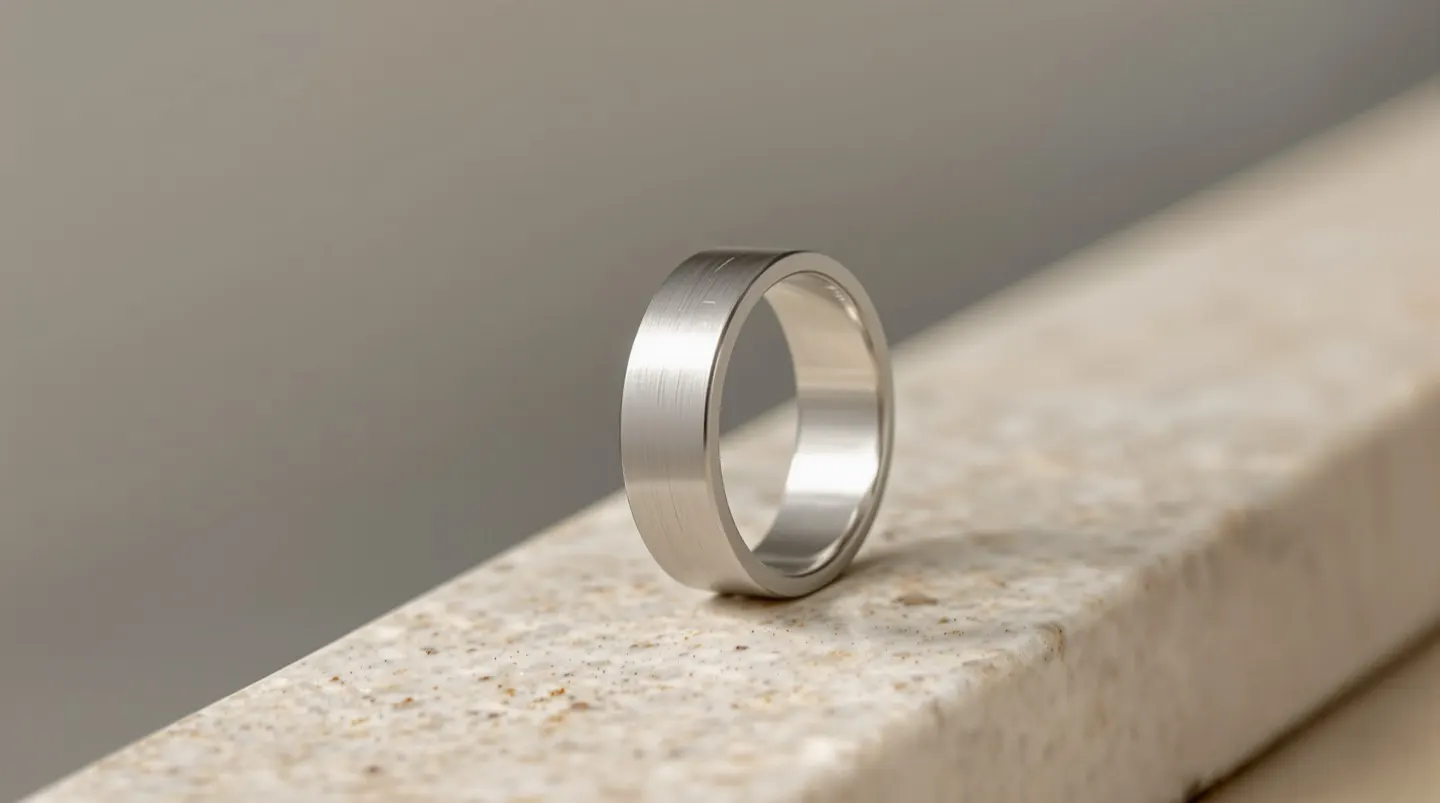
For most of the wearable era, the smartwatch has been the default way to track sleep, heart rate, and activity. Over the last couple of years, a quieter category has moved from niche to genuinely mainstream: the smart ring. With Oura having pioneered the space, Samsung entering with the Galaxy Ring, and players like Ultrahuman and RingConn building loyal followings, smart rings are now something a curious buyer actually has to consider rather than dismiss. This is not a hands-on review. It’s a practical guide to what smart rings do, how they differ from a watch, and what to think about before buying one.
What Smart Rings Actually Track
The core pitch of a smart ring is overnight health monitoring done well. Because a ring is comfortable enough to wear all night, it can capture data that many people struggle to get from a watch they charge overnight. The signals most rings focus on include:
- Sleep stages — light, deep, and REM — along with overall sleep duration and consistency.
- Heart rate and heart rate variability (HRV), which many users track as a recovery and stress signal.
- Skin temperature trends, often used to flag illness, menstrual cycle phases, or environmental changes.
- Activity and movement, though this is the weakest area for most rings, since wrists are simply better at detecting steps and arm motion.
- Readiness or recovery scores, which synthesize the above into a single number meant to guide how hard to push that day.
What rings generally do not do is show you anything in real time. There is no screen, no notifications, no music controls. That is partly a limitation and partly the point — a ring is a passive sensor rather than an always-on interface. The payoff is battery life that often runs multiple days on a charge, and a form factor that doesn’t interfere with typing, workouts, or sleep the way a bulky watch can.
What to Know Before You Buy
Smart rings come with a few quirks that surprise first-time buyers, and they matter more than the spec sheets suggest.
Sizing is critical. Rings must be sized precisely, and most manufacturers offer a free or low-cost plastic sizing kit you should use before ordering. A ring that fits loosely gives inaccurate data and feels insecure; one that is too tight becomes uncomfortable over a week of night wear. Some brands will not accept returns on opened rings for hygiene reasons, which makes getting the size right the single most important pre-purchase step.
Subscriptions are common. Oura charges a monthly fee to unlock most insights, which adds up over years of ownership and changes the real cost of the device. Samsung’s Galaxy Ring has notably avoided a subscription so far, and others like RingConn have marketed themselves as subscription-free. When comparing prices, look at the total cost over two or three years, not just the upfront price.
Accuracy versus a watch is a real conversation. Rings tend to do sleep and recovery tracking at least as well as wrist wearables, partly because of consistent nighttime contact. For steps and workout detection, watches remain ahead. If you already wear a smartwatch you like, a ring is usually a complement focused on sleep and recovery, not a full replacement.
Ecosystem and app quality vary widely. Oura’s app is mature and visually polished; Samsung ties into its health platform; smaller players offer capable apps but with less polish. Read recent user reviews of the specific app, not just the hardware, because that is where you’ll live with the ring every day.
Is a Smart Ring Worth It?
For the right person — someone who cares about sleep and recovery, dislikes wearing a watch to bed, or wants continuous data without a screen — a smart ring can be a genuinely useful addition to daily life. For someone primarily interested in fitness tracking, notifications, or workout guidance, a watch remains the better fit.
The practical takeaway: treat a smart ring as a focused sleep and recovery sensor with a multi-day battery and a quiet form factor, not as a smartwatch replacement. Get sized properly, factor the subscription into the total cost, and buy from a brand with a return policy you trust. Done that way, a smart ring can be one of the more comfortable additions to a health-tracking routine.