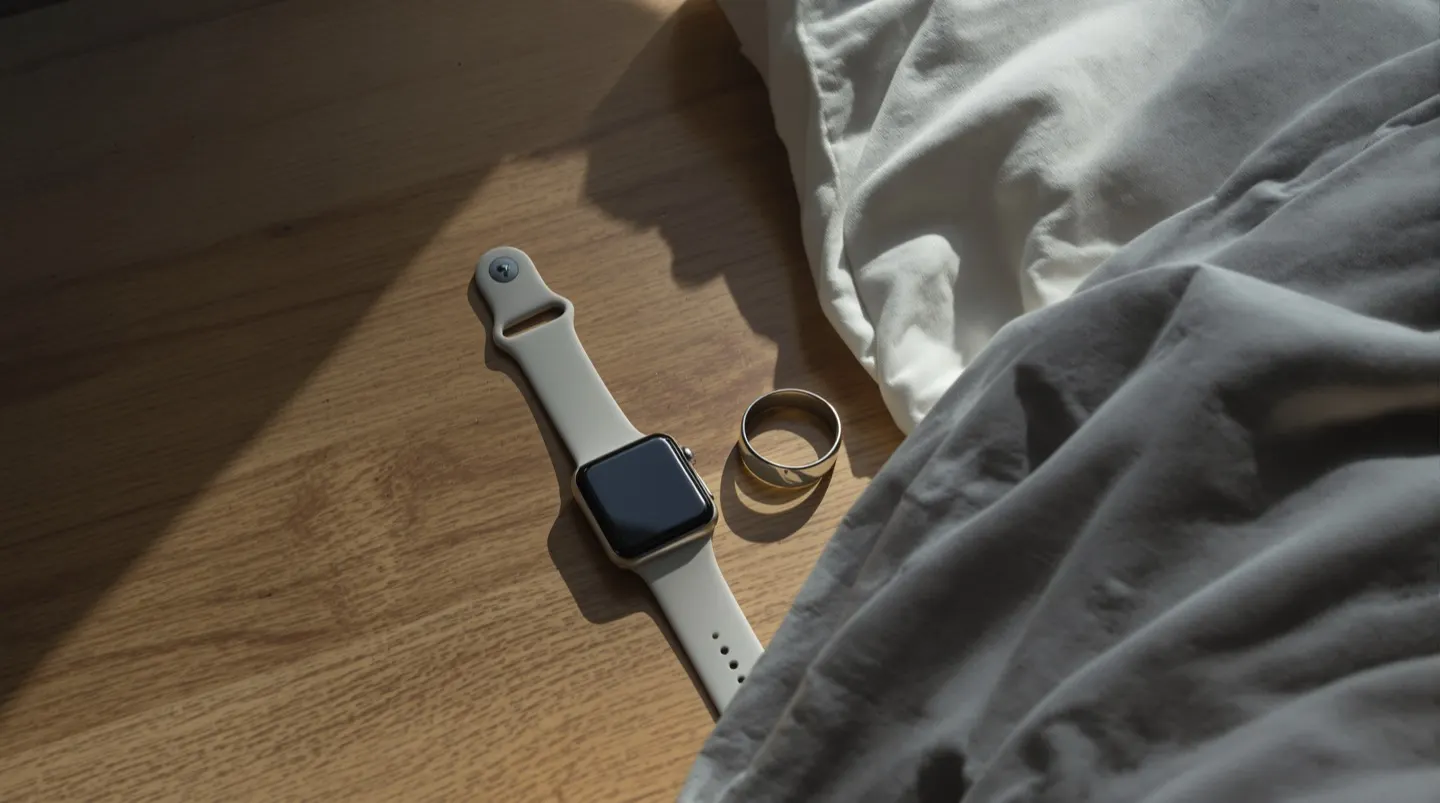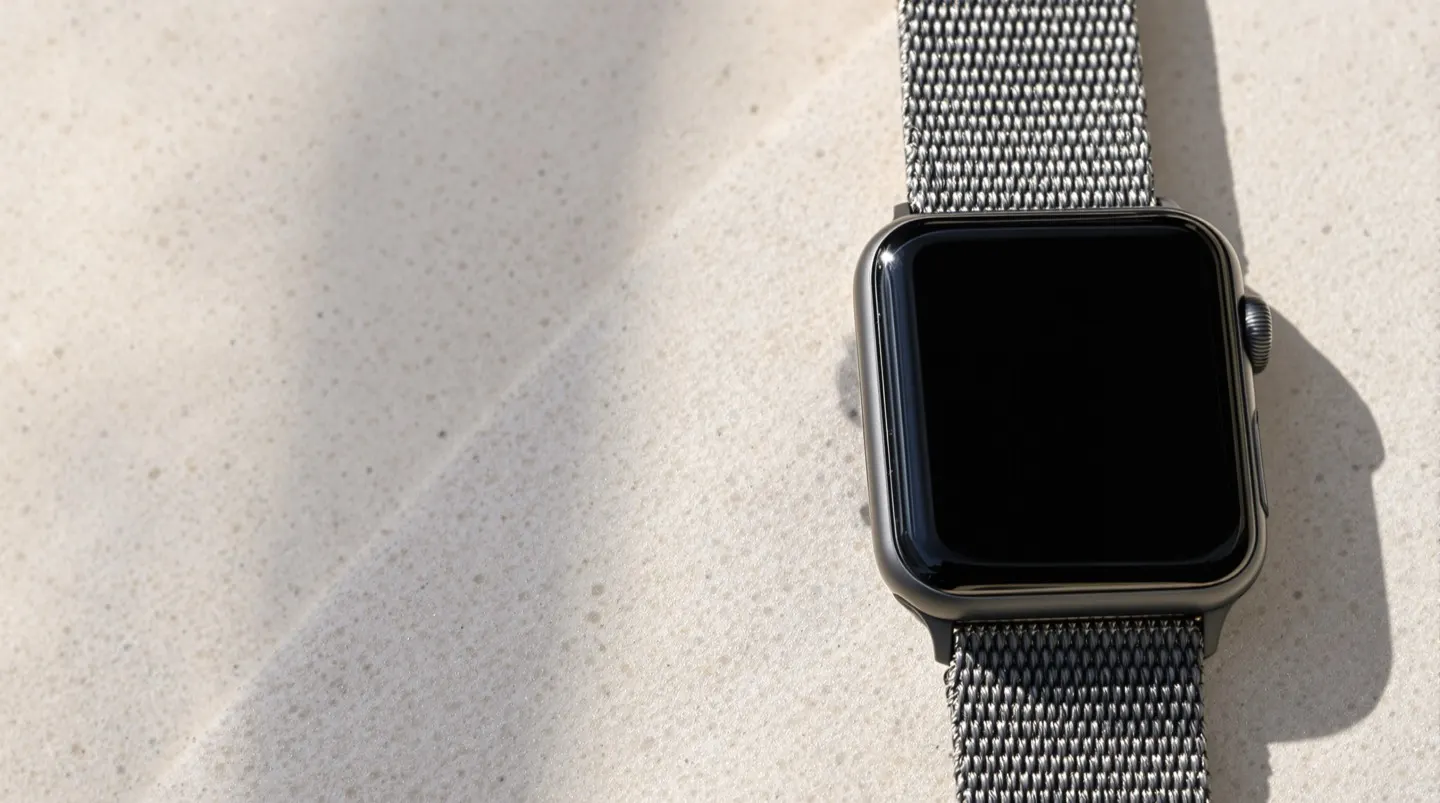
The Apple Watch has spent years quietly becoming one of the most widely worn health devices on the planet, and the Series 11 continues that trajectory. Where early models were mostly about notifications and fitness motivation, recent versions have leaned hard into clinical-adjacent sensing — heart rhythm, sleep breathing, temperature trends — and the newest iteration reportedly pushes that further. This isn’t a hands-on review, but rather a look at the health features that stand out on paper, which ones are likely to matter day to day, and how to think about whether an upgrade makes sense for you.
Health and Sensing Features That Stand Out
The headline health features on recent Apple Watches fall into two groups: validated tools that have drawn real regulatory attention, and emerging sensors that are still finding their footing.
On the validated side, the ECG app and irregular-rhythm notifications have been around long enough to be well understood. They can flag signs of atrial fibrillation and prompt users to seek care, which has led to documented cases of early detection. Sleep apnea notifications, added more recently, use overnight wrist movement and breathing patterns to estimate risk and have received regulatory clearances in several markets. These are genuinely useful tools, with the important caveat that a watch is a screening signal, not a diagnosis — anything concerning still needs a clinician to confirm.
The blood oxygen sensor has been part of the lineup for several generations, though its availability and regulatory status have varied by region and over time, so it is worth checking what works where you live rather than assuming. Temperature sensing, introduced more recently, is primarily used for overnight baseline tracking and menstrual-cycle insights rather than giving you a live fever reading.
Reports around the Series 11 suggest Apple has continued to invest in sensors that have been long rumored for the platform. Blood pressure monitoring has been discussed in reporting for years, but for any specific feature on the newest model it is best to confirm directly with Apple’s official materials rather than relying on leaks, since the gap between rumor and shipping product is often wide.
What this adds up to is a watch that increasingly frames itself as a proactive health monitor:
- Heart: ECG, AFib history, irregular-rhythm alerts
- Sleep: apnea risk notifications, sleep stage tracking
- Temperature: overnight trends, cycle insights
- Activity: standing, movement, and exercise rings
- Safety: fall detection, crash detection, emergency SOS
How It Fits Into Daily Life
The health story gets most of the attention, but the day-to-day reality of living with an Apple Watch is a mix of fitness nudging, convenience, and ambient awareness. The activity rings are still one of the most effective behavior-design features in any consumer gadget — simple enough to actually change habits, which is rarer than it sounds. Sleep tracking, when worn consistently, can surface patterns most people would otherwise miss.
WatchOS continues to refine the software side, with smarter stacking of widgets, better workout views, and tighter integration with the iPhone’s health app. None of this is revolutionary on its own, but it makes the watch feel less like a notification mirror and more like its own device. Battery life remains the constraint that shapes how people use it: most owners charge nightly, which is workable but means overnight sleep tracking competes with charging time unless you build a routine around it.
Who Should Consider Upgrading
For someone with an older Apple Watch — a Series 6 or earlier — the cumulative improvements in health sensing, speed, and safety features make the Series 11 a noticeable jump, especially for anyone with a specific reason to track heart rhythm or sleep breathing. Coming from a Series 9 or 10, the case is weaker unless a particular new sensor matters to you.
The practical takeaway: the Apple Watch is at its best as a screening and awareness tool, not a substitute for medical care. If you are buying it primarily for a specific health feature, verify that feature’s availability in your country and understand its limits before you commit. For general fitness and convenience, almost any recent model will do the job well.