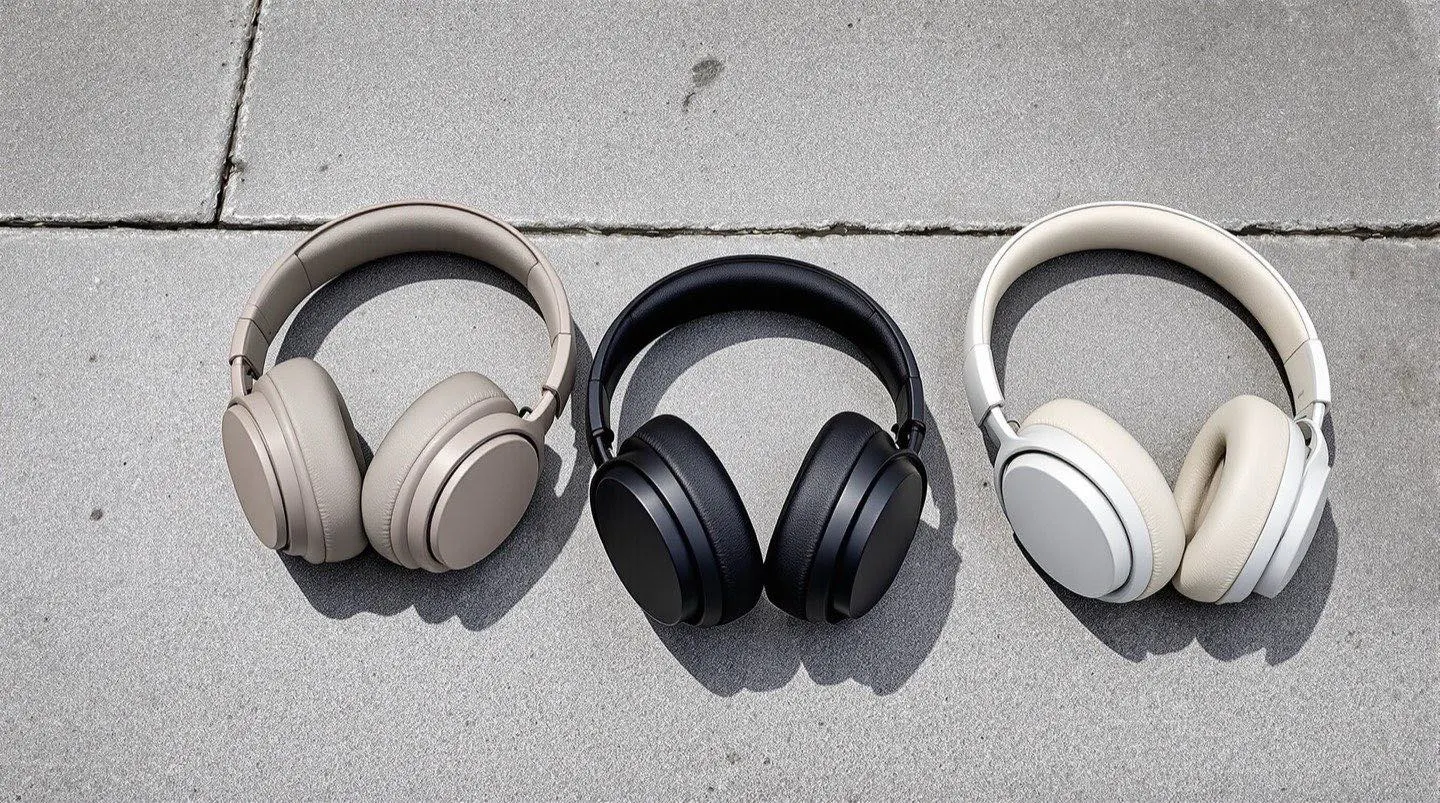
Premium noise-canceling headphones are one of the few product categories where three companies have set the agenda for everyone else. Sony’s WH-1000X line, Bose’s QuietComfort family, and Apple’s AirPods Max are the names that come up in almost every conversation about over-ear ANC, and each takes a noticeably different approach to the same goal: shutting out the world while sounding good. This isn’t a hands-on comparison with measured results. It’s a guide to how the three brands differ in philosophy, strengths, and tradeoffs, so you can figure out which one is the right fit before you commit.
How the Big Three Compare
Sony (WH-1000X series) has built its reputation on a balance of strong ANC, detailed sound, and a long feature list. The line has typically led the industry in adaptive sound modes, Speak-to-Chat, multipoint Bluetooth, and support for high-resolution codecs like LDAC. Sony’s design language is understated and travel-friendly, with a folding form factor and reliable battery life. The tradeoff historically has been a slightly more analytical sound signature and comfort that is good but not class-leading for the longest sessions. Newer entries in the line reportedly push ANC and sound further, but specifics vary by generation, so confirm which model you’re reading about.
Bose (QuietComfort family) has long been the reference point for ANC itself. Where Sony leads on features, Bose tends to lead on the pure sensation of silence and on long-wear comfort — the soft ear cushions and lighter clamping force make Bose headphones a favorite for frequent flyers and long workdays. The sound signature is generally smooth and easy to listen to for hours, if not the most detailed. Recent flagship models have added immersive audio modes and improved call quality, and Bose’s strength in pure noise reduction has remained a defining trait across generations.
Apple (AirPods Max) took a different route: a premium, metal-heavy build, exceptional transparency mode, and tight integration with the Apple ecosystem. The AirPods Max are widely regarded as having the most natural-sounding transparency mode of the three, which matters if you want to hear the world clearly without removing the headphones. ANC is excellent, sound is balanced and refined, and features like spatial audio and automatic device switching work seamlessly across Apple devices. The tradeoffs are real: the AirPods Max are heavier, more expensive, use a Lightning or updated charging case depending on version, and offer less flexibility outside the Apple world. There is no USB-C audio on the original design, and features like lossless audio require specific setups.
What Matters Beyond ANC
Focusing only on noise cancellation misses a lot of what makes one of these headphones right or wrong for a given person.
- Comfort and weight matter more than any spec. A slightly weaker ANC pair you can wear for six hours beats a stronger pair you take off after two.
- Call quality varies more than marketing suggests. Sony and Bose have improved a lot here, and Bose is often praised for voice isolation in noisy environments.
- Ecosystem fit is genuinely important. If you live entirely in Apple’s world, the AirPods Max’s device switching and spatial audio feel like magic; if you switch between Android, Windows, and iOS, Sony or Bose may cause fewer headaches.
- Codecs and wired options matter mostly to audiophiles. Sony’s LDAC support and Bose’s USB-C audio options give them an edge if you care about high-resolution or wired listening.
- Case, portability, and accessories are easy to overlook. Sony’s folding case is the most travel-friendly; the AirPods Max’s magnetic case is divisive; Bose sits in the middle.
How to Choose
A useful shortcut: choose Sony for the best balance of features, codecs, and travel-friendly design; choose Bose for class-leading comfort and the strongest pure noise reduction; choose Apple if you live in the Apple ecosystem and value transparency mode and seamless switching above everything else.
The practical takeaway: all three make headphones that are genuinely good, and any decision between them is more about fit, ecosystem, and personal taste than about an objective winner. Read recent reviews of the specific generation you’re considering, try them on your head if at all possible, and pay attention to comfort and call quality — those two factors, more than any ANC number, determine whether you’ll still love a pair a year later.