Nintendo had an unusually tough act to follow. The original Switch was one of the most successful consoles in history, blending handheld and TV play in a way that resonated with an enormous audience. The Switch 2 arrives carrying those expectations, and Nintendo has taken a notably careful approach: evolve the formula rather than reinvent it. The result is a bigger, more powerful hybrid console that keeps the things people loved about the original while addressing some of its biggest weaknesses. This isn’t a hands-on review. It’s a look at what stands out about the Switch 2, the games that define its early library, and how to decide whether it belongs in your home.
What’s New With the Switch 2
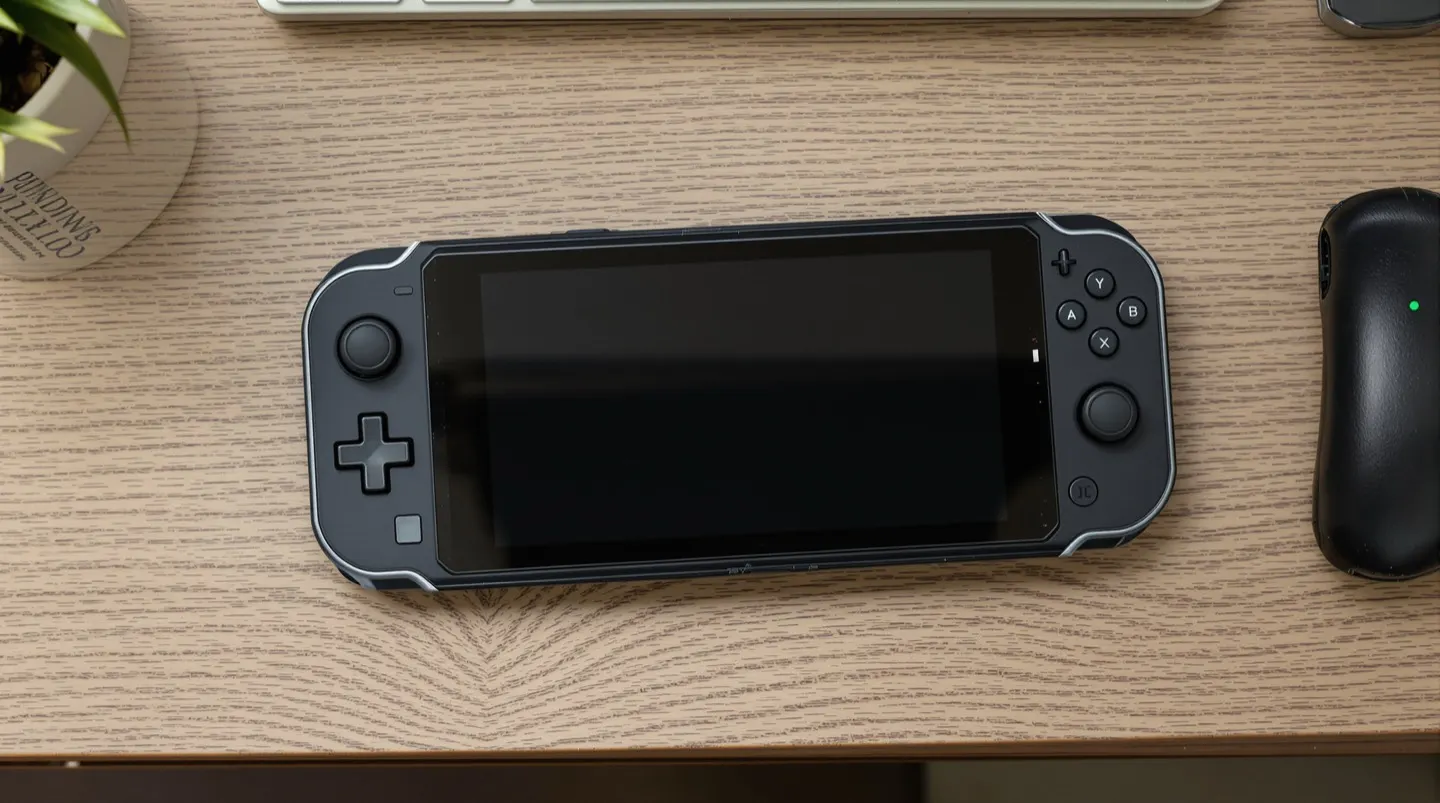
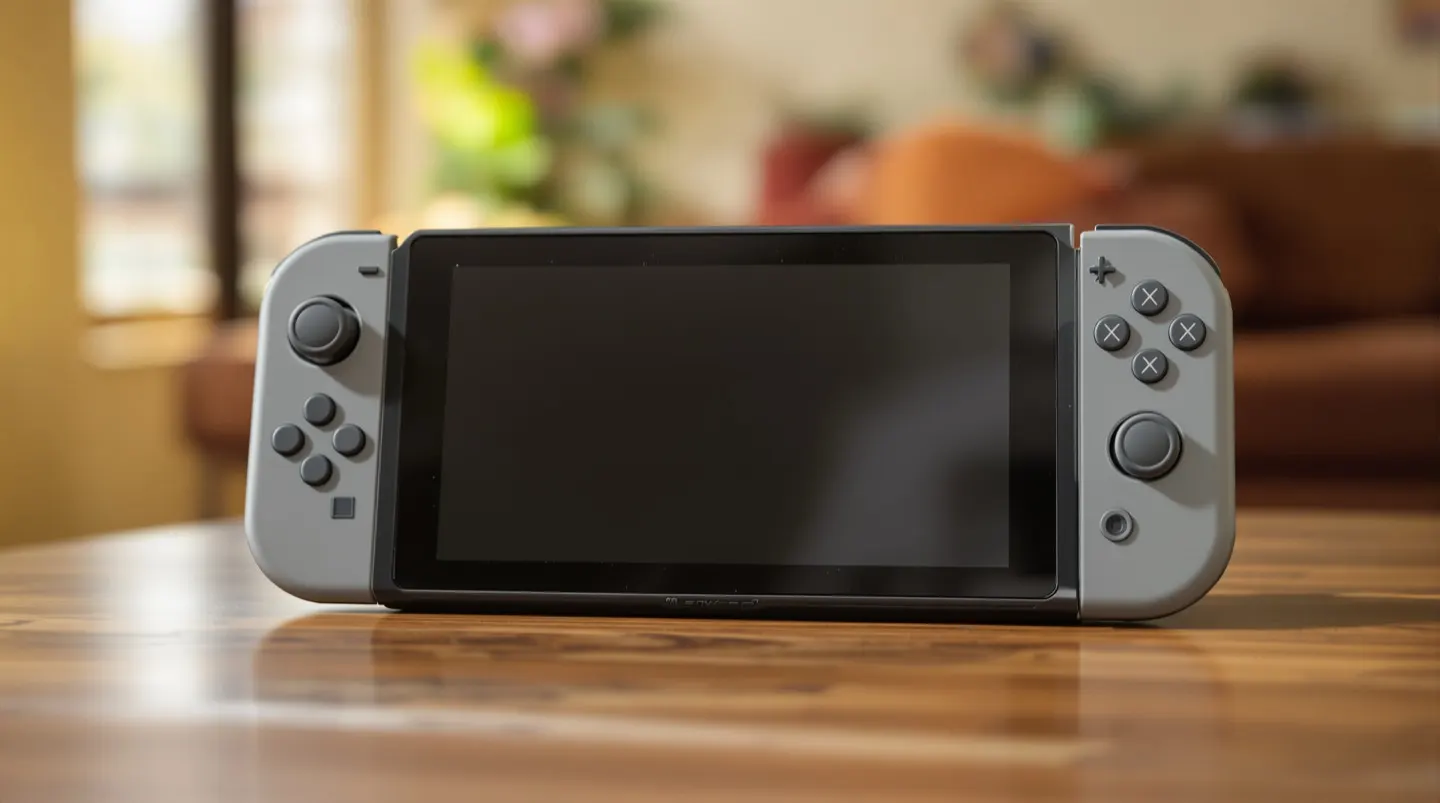
The headline changes are physical. The Switch 2 features a larger display than the original, making handheld play more immersive, and the device is reportedly more powerful across the board, which allows it to run more demanding games and to render supported titles at higher resolutions when docked. The console remains a true hybrid — it works as a handheld, supports tabletop mode with kickstand, and docks to a TV for living-room play — preserving the core identity that made the Switch so broadly appealing.
The Joy-Con 2 controllers have been redesigned. A widely discussed addition is a mouse-like input mode, which lets the controllers function as pointing devices for games and interfaces that benefit from it. The controllers attach to the console for handheld play and to a grip for TV play, just as before, but the new input option opens up possibilities for strategy games, productivity-style apps, and creative tools that were awkward on the original.
Other improvements worth noting:
- Backward compatibility with a large portion of the original Switch library, which matters enormously given how many people own Switch games already.
- A larger built-in screen with upgraded display technology, addressing one of the most common requests from long-time Switch owners.
- Improved kickstand and dock design, making tabletop and TV play more stable.
- Refined online services, including the upgraded Nintendo Switch Online tiers that include classic game libraries and select cloud features.
The overall theme is continuity with meaningful refinement, rather than a dramatic departure. Nintendo is betting that players want a better version of what they already loved, and on paper that bet looks reasonable.
Key Games to Know
A console’s launch and early library tell you a lot about how it will find its footing, and the Switch 2’s early lineup has some genuinely interesting entries.
- Mario Kart World (or the equivalent flagship Mario Kart entry) is widely regarded as the system’s defining launch title. Mario Kart has been one of Nintendo’s most consistent system-sellers for two decades, and a new entry showcasing what the more powerful hardware can do is exactly the kind of game that drives early adoption.
- A new Donkey Kong title has been part of the early lineup and signals Nintendo’s intent to bring back established franchises with fresh entries on the new hardware.
- Third-party support appears broader than at the equivalent point in the original Switch’s life, with publishers reportedly more confident in the platform’s power and audience. Sports titles, family games, and ports of games that couldn’t run on the original Switch all broaden the appeal.
- Backward-compatible Switch titles, including the entire Zelda and Mario back catalog from the previous generation, give the console an enormous playable library on day one.
For anyone who skipped the original Switch, the appeal is obvious: a huge library spanning two generations in a single device. For existing Switch owners, the question is whether the new hardware and the new first-party games justify the upgrade right now or whether waiting makes more sense.
Should You Get One?
The clearest case for the Switch 2 is for households that want a single console the whole family can enjoy, that works as both a handheld and a TV device, and that has access to Nintendo’s peerless first-party library. If Mario, Zelda, Pokémon, and family-friendly multiplayer are central to what you play, the Switch 2 is the only place to get them, and the upgraded hardware makes the experience noticeably better than on the original.
The case for waiting is weaker this generation than with most consoles, because backward compatibility means you’re not starting from an empty library, and Nintendo’s software pipeline is reliably strong. The main reasons to hold off would be budget, limited interest in Nintendo’s franchises, or wanting to see how the third-party library develops over the first year.
The practical takeaway: the Switch 2 is a careful, confident evolution of one of the most successful consoles ever made, with strong first-party software and genuine backward compatibility. For most people who enjoyed the original, or who are looking for a family-friendly hybrid console, it is a sound purchase — and the early lineup, headlined by Mario Kart, makes the case on its own.