A few years ago, the idea of a handheld that could play real PC games sounded like a niche dream. Then Valve shipped the Steam Deck and proved the concept at scale, and the market responded. By 2026, the handheld gaming PC category is genuinely crowded, with serious options from ASUS, Lenovo, and others competing alongside Valve’s own lineup. These devices blur the line between console and PC: they run a huge library of games, can be docked to a monitor or TV, and offer a level of openness traditional handhelds never have. This is not a benchmark comparison. It’s a guide to which handhelds stand out, what to look for, and how to decide which one fits the way you actually play.
The Standout Handhelds
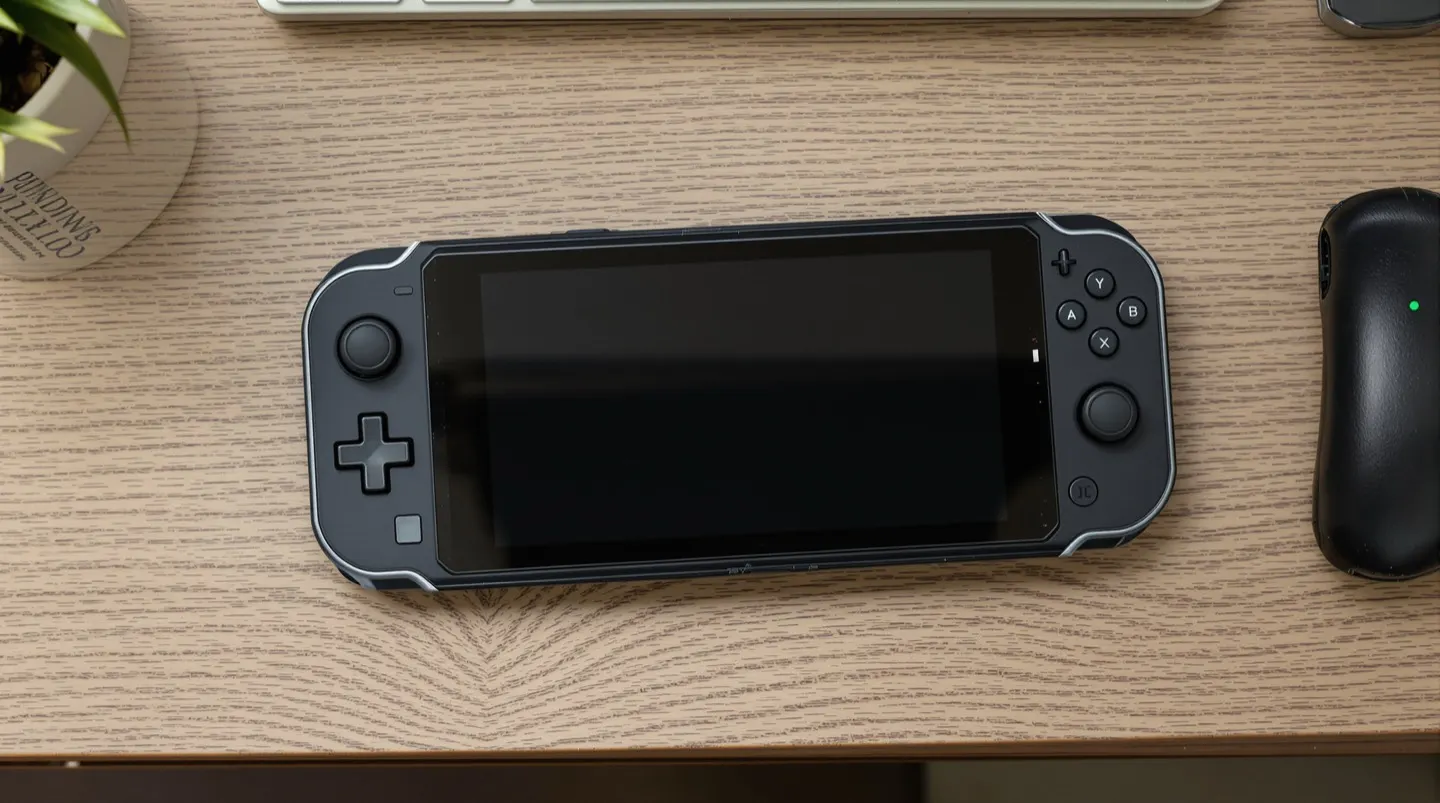
Valve’s Steam Deck remains the reference point for the category. Its biggest advantage is software: SteamOS is built around games, suspends and resumes cleanly, and integrates with the Steam library most PC gamers already own. The Steam Deck OLED, in particular, is widely regarded as offering one of the best displays in the category along with excellent battery life and a comfortable, if large, control layout. The tradeoff is raw power — the Deck is tuned for efficiency rather than peak performance, so demanding games run well but not at maximum settings.
ASUS ROG Ally line has positioned itself as the more powerful Windows-based alternative. Running full Windows gives it compatibility with game stores and launchers beyond Steam, and newer versions have addressed early concerns about battery life, the handheld interface, and accessory support. The ROG Ally is a strong choice for players who want maximum performance in a handheld form factor and who are comfortable navigating Windows on a small screen. The tradeoff is that Windows is still, fundamentally, a desktop operating system, and the experience can feel less polished than SteamOS for quick session-based play.
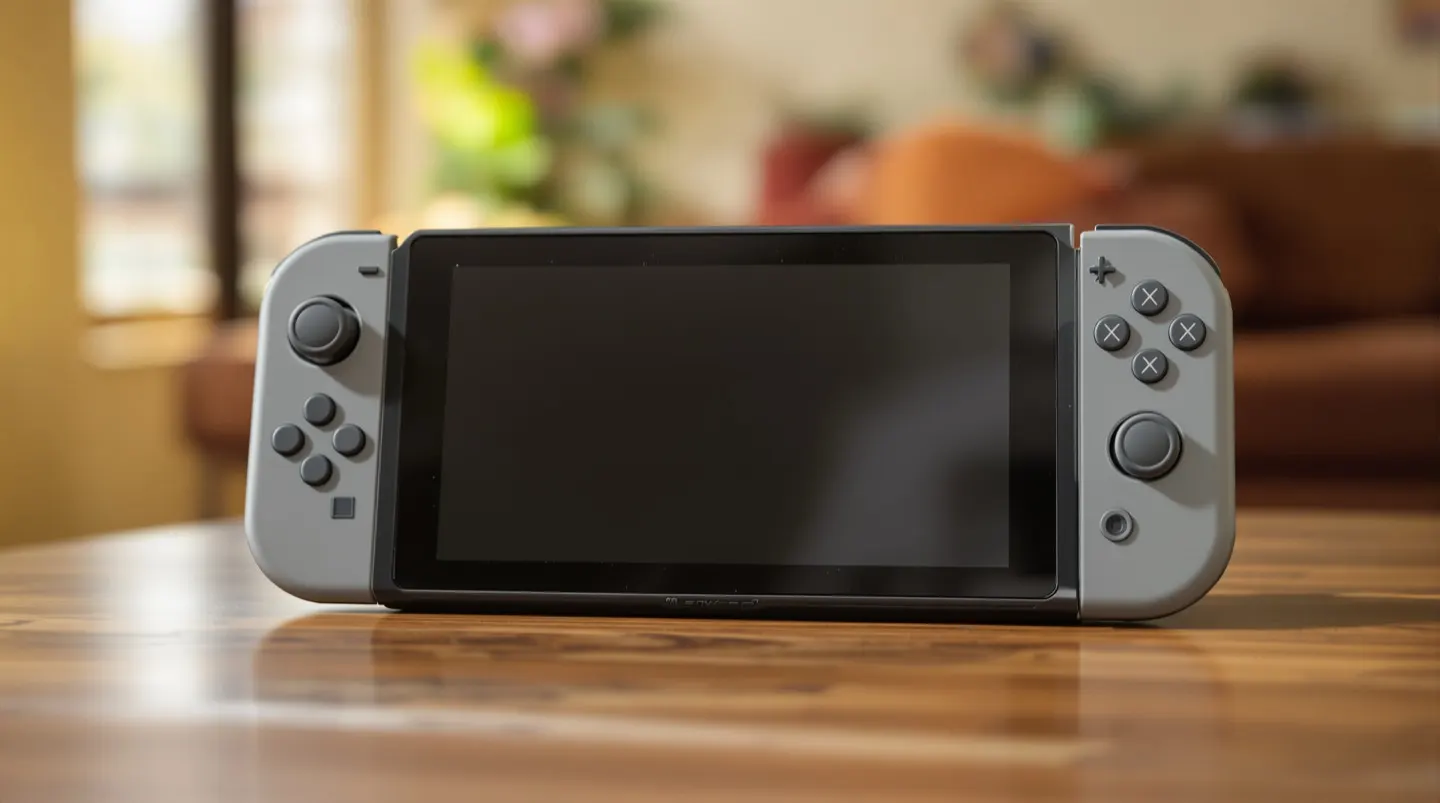
Lenovo Legion Go has pushed the form factor further, with a larger display and detachable controllers that evoke a hybrid console-handheld design. The bigger screen is great for immersive games but makes the device less pocketable. Other entries — including smaller players and refreshed models across the year — continue to round out the category with different screen sizes, chip tiers, and price points.
A few things consistently separate the better handhelds from the rest:
- Screen quality, particularly OLED, which dramatically improves contrast and color in darker games.
- Battery life under real-world load, which varies much more than marketing suggests and depends heavily on the game and the power profile you choose.
- Control comfort, since you’ll be holding the device for hours — weight distribution and stick and button placement matter.
- Docked mode, which lets the handheld double as a living-room or desk PC.
What to Consider Before You Buy
The first decision is operating system and game library. If your library lives on Steam and you want the most polished, console-like experience, a Steam Deck is the natural fit. If you rely on other stores, mods, or full Windows software, a Windows-based handheld gives you flexibility at the cost of polish. Either way, check whether your most-played games are verified or well-supported on the device you’re considering — most handhelds maintain compatibility lists, and the experience on unsupported titles can be rough.
Power versus battery is the central tradeoff in this category. More powerful chips run bigger games at higher settings but drain the battery faster and generate more heat. Less powerful handhelds last longer and stay cooler but compromise on visual fidelity for the most demanding titles. There is no free lunch here — you’re picking where on the curve you want to sit.
Ergonomics and screen size are deeply personal. A larger 8-inch or 9-inch screen looks great but is heavy and awkward for long sessions for some people. A smaller, lighter device may be more comfortable but feels cramped for certain games. If possible, try to handle a handheld before buying, or buy from a retailer with a good return policy.
Storage and expandability matter because PC games are large. Look for a device with replaceable internal storage or a fast microSD slot, and factor the cost of a storage upgrade into your budget.
Which Handheld Fits You
For most buyers, the safest starting point is still a Steam Deck — particularly the OLED version — because the software experience is the most refined and the Steam library is enormous. For players who want peak performance, full Windows compatibility, or a larger screen, the ROG Ally and Legion Go lines are the natural alternatives.
The practical takeaway: pick the handheld that matches your game library and the way you play, and weigh battery life and ergonomics at least as heavily as raw performance. The best handheld gaming PC is the one you’ll actually pick up and play — and in 2026, there are several that earn that description.