Cloud gaming has been “the future” for more than a decade, which has made skeptical players reasonably cautious every time a new service promises the end of local hardware. The honest state of things in 2026 is more interesting than either the hype or the skepticism. Cloud gaming has not replaced consoles and PCs, but it has matured into something genuinely useful for a real set of players — particularly those with strong internet who want to play on phones, laptops, low-end TVs, or while traveling. This isn’t a measured benchmark. It’s a practical look at where cloud gaming stands today, what still gets in the way, and how to decide whether it belongs in your gaming life.
Where Cloud Gaming Stands Now
The major services have all moved past the early experimental phase. Xbox Cloud Gaming, bundled with Game Pass Ultimate, streams a large and rotating library of console games to phones, tablets, browsers, and some smart TVs. NVIDIA’s GeForce Now takes a different approach, running games you already own on Steam, Epic, and other stores on high-end remote hardware and streaming the result back to you. PlayStation Plus Premium includes cloud streaming for a catalog of older and select current titles, with availability varying by region.
What has changed most is the underlying experience. Latency has improved meaningfully in markets with good internet infrastructure, thanks to a combination of faster home connections, wider 5G coverage, better video encoding, and data centers located closer to players. The visual quality on a strong connection is now close enough to local play that casual and many mid-tier players may not notice the difference in fast-paced games, and the convenience of instantly loading a game without downloads or installs is genuinely appealing.
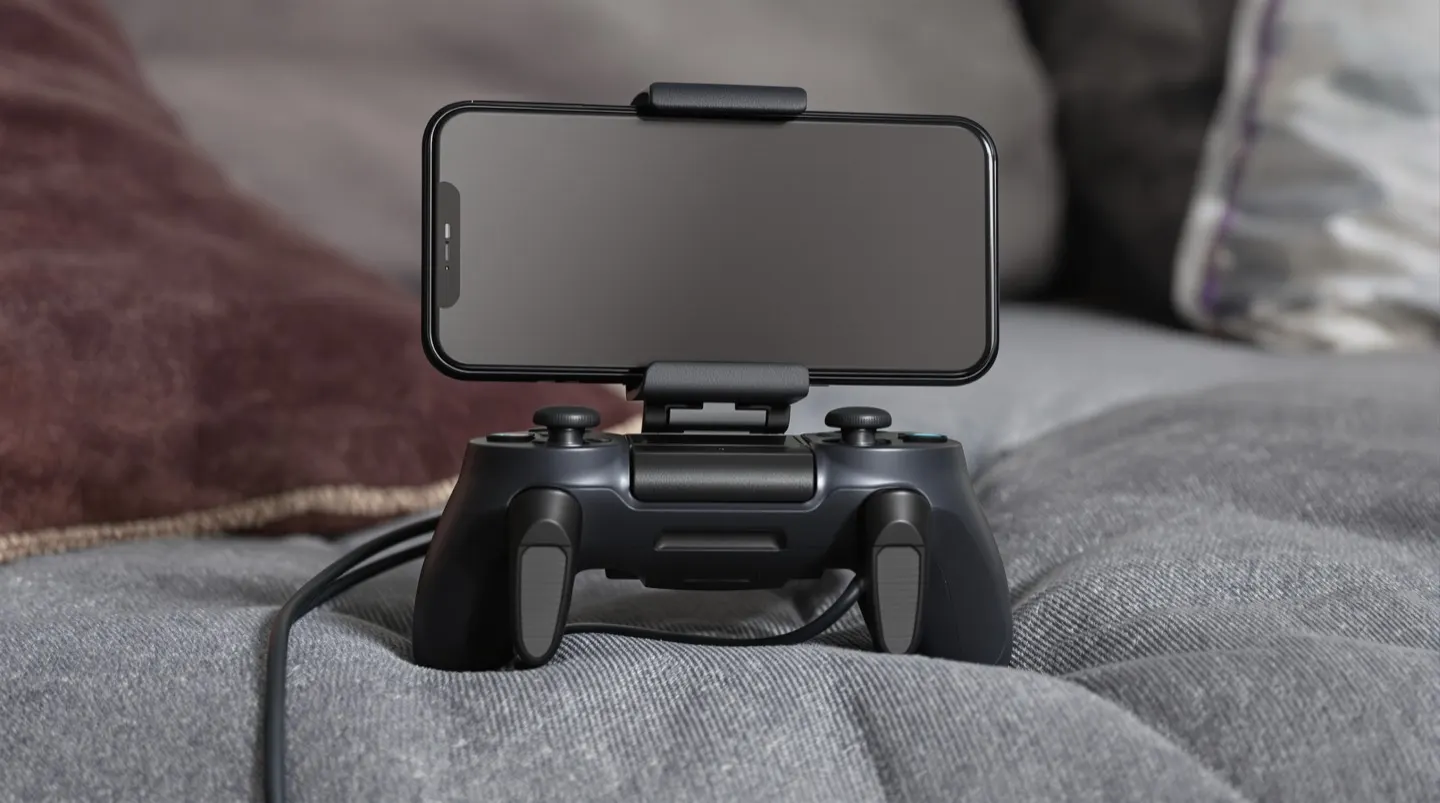
The form factor story has improved too. Playing on a phone with a clip-on controller, on a laptop between meetings, or on a living-room TV without a console are all viable scenarios that didn’t work as well a few years ago. For travel, the ability to leave a console or gaming PC at home and still play your library is a real benefit.
The Remaining Friction
None of this means cloud gaming is a drop-in replacement for local hardware. The constraints are still real, and they shape who the technology works for.
- Internet quality is destiny. Cloud gaming needs a stable, reasonably fast connection with low latency. On fiber or good cable it works well; on flaky Wi-Fi, congested mobile networks, or data-capped plans, it falls apart quickly. A wired connection and a router close to the TV make a noticeable difference.
- Input latency is still there, even when reduced. Competitive players in fast shooters or fighting games, where milliseconds matter, will usually prefer local hardware. For story-driven, strategy, or slower-paced games, the difference is much less noticeable.
- Game ownership and availability differ by service. Xbox Cloud Gaming rotates titles in and out of Game Pass; GeForce Now plays what you already own but not every game is supported; PlayStation’s cloud catalog is narrower than its local one. Understanding what you actually get access to matters as much as the technology.
- Data caps can bite. Streaming games for hours consumes significant bandwidth, and on metered connections the convenience can come with a real monthly cost.
- Peak-time performance varies. Even on a good connection, evening congestion in your neighborhood or on a service’s servers can degrade quality at exactly the times you most want to play.
Is Cloud Gaming Ready for You?
Whether cloud gaming is “good enough” in 2026 depends almost entirely on your situation. If you have reliable high-speed internet, play a mix of games that aren’t all ultra-competitive, and value the ability to play across devices without buying expensive hardware, the answer is increasingly yes — particularly as a complement to, rather than a replacement for, a primary console or PC. If you play competitively, have unpredictable internet, or care about owning your games outright, local hardware is still the safer bet.
The practical takeaway: the best way to evaluate cloud gaming is to try a service for a month on your actual home connection, at the times you actually play, on the device you actually want to use. Specs and benchmarks tell you less than an hour of real session time. For many players in 2026, cloud gaming has quietly crossed the line from novelty to genuinely useful — but whether it crosses the line for you is a question only your own living room can answer.